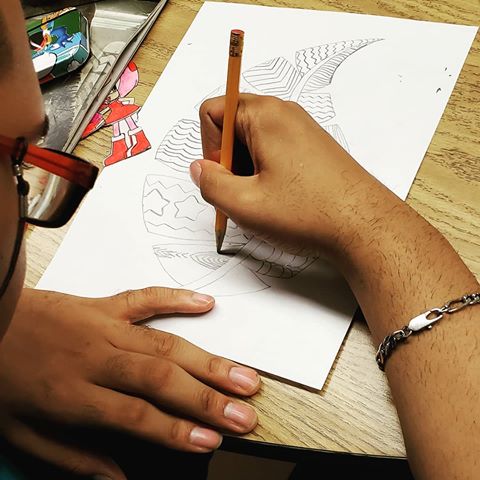
Los elementos de expresión plástica. Es importante que sepas que cada expresión del arte tiene su propios elementos de expresión, en este post nos concentraremos en los de la expresión plástica, es decir, los que se emplean para artes como la pintura, el dibujo y la escultura.
A través de los elementos de expresión, el artista logra transmitir una idea o concepto, por ello estos elementos fungen como formas de comunicación que se establecen entre el artista y el espectador a través de las obras.
Capacidades perceptivas
Los elementos de expresión plástica apuntan hacia las capacidades perceptivas, expresivas y estéticas desarrolladas por un determinado espectador. Por ello cada obra es captada e interpretada de múltiples formas porque cada persona tiene una determinada capacidad y sensibilidad ante colores, líneas, formas y temáticas.
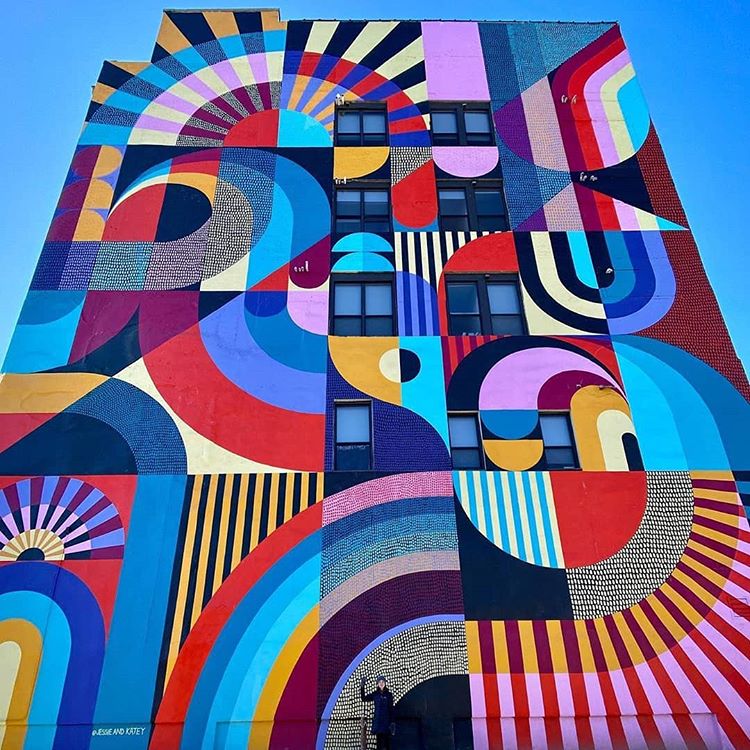
¿Qué es la expresión plástica?
Es un proceso de creación en el campo de las artes plásticas. Los artistas en este medio buscan expresarse para transmitir ideas, reflexiones sobre realidades o simplemente para experimentar desde lo más íntimo sus propias emociones, en contacto directo con los materiales y con los soportes elegidos.
Algunas artes son imitativas, es decir buscan captar realidades objetivas tal como son. Las observan y luego las representan. Otros artistas por el contrario buscan creaciones que partan de la realidad concreta, pero que no sea la reproducción exacta de ella. En este caso la creación es libre, es espontánea y no busca la perfección sino la expresión.
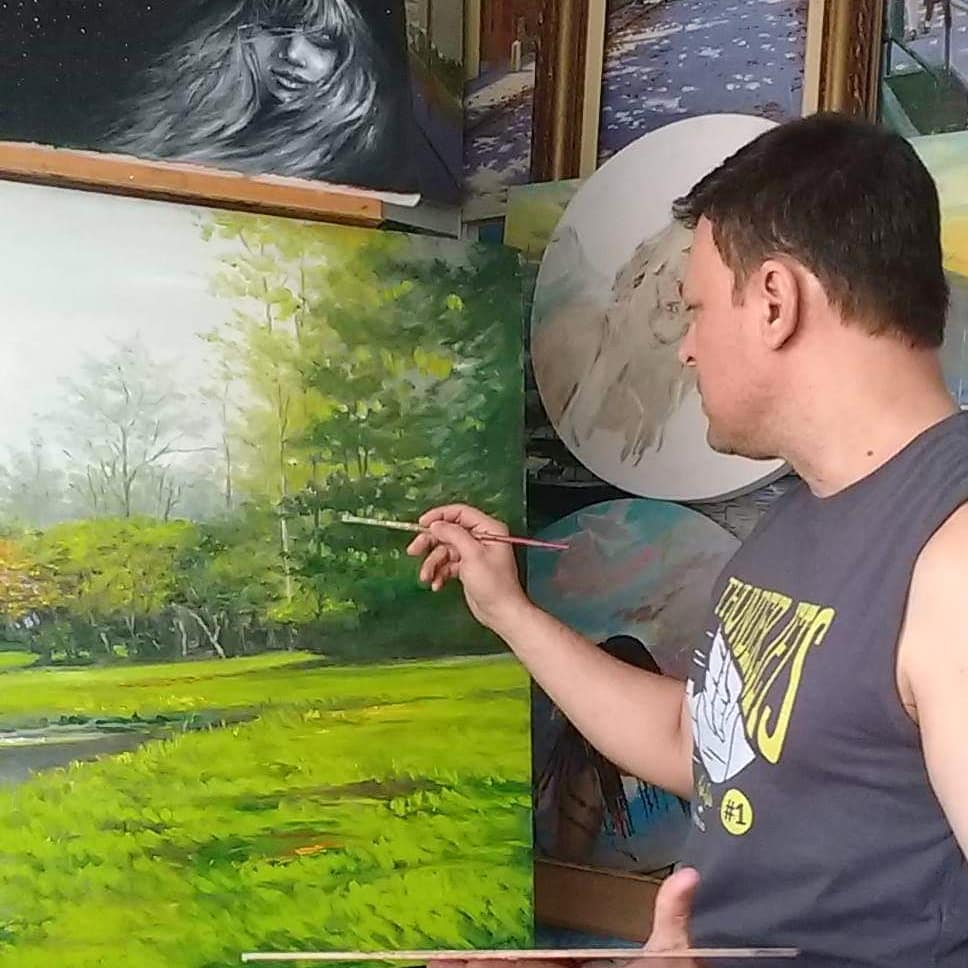
¿Es la técnica un elemento de expresión?
No lo es. La técnica es el método que se emplea para la realización de los trabajos plásticos, por ejemplo la técnica del óleo, la acuarela, el collage, el dripping, creyones, grafito, pluma, tinta, etc. Con la técnica se realiza la obra pero en la obra se usan elementos de expresión para lograr el resultado que se desea. La técnica y los elementos de expresión se combinan para la creación.
Algunas obras destacan todos los elementos de expresión plástica. Es importante que sepas que cada expresión del arte tiene su propios elementos de expresión. Este artículo lo dedicamos a los de la expresión plástica, es decir, los que están vinculados directamente con artes como la pintura, el dibujo y la escultura.
El empleo de uno u otro, dependerá de los objetivos que persiga el artista; unos le dan énfasis en su obra al color, otros a las texturas o al punto, y en muchos casos, los vemos a todos presentes en una misma obra. A continuación te daremos a conocer cuáles son estos elementos.
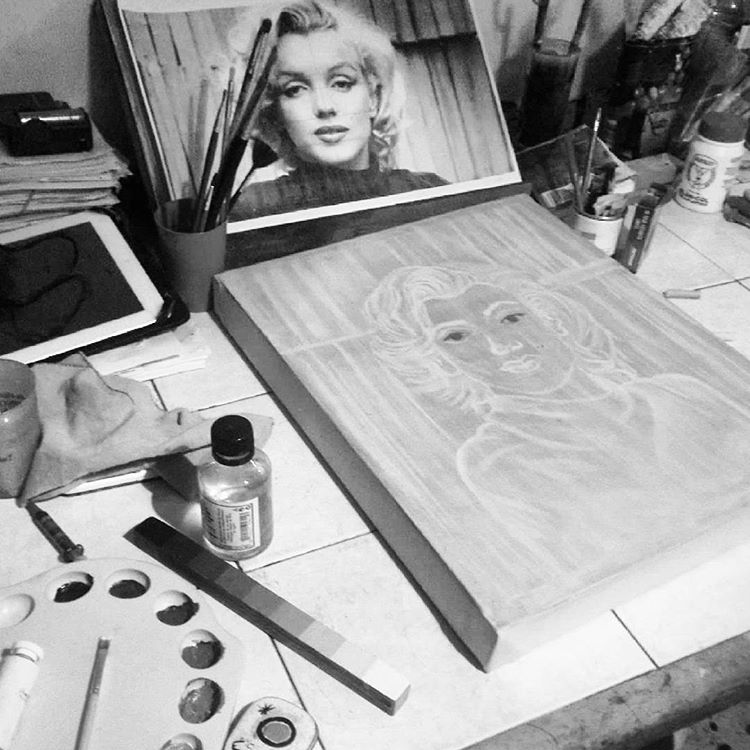
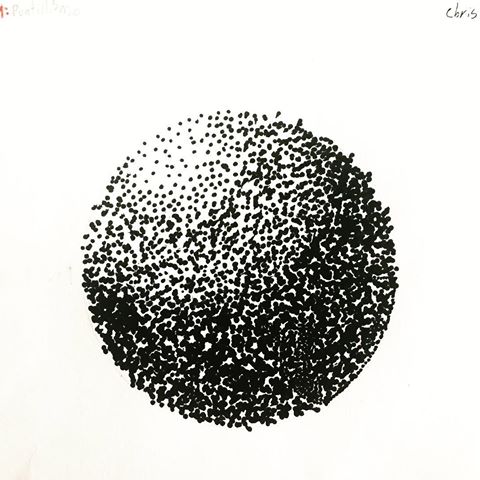
El punto
Un punto es la unidad mínima que puede representarse en un plano determinado y él por muy diminuto que sea, es fundamental en una obra, pues todo está compuesto de múltiples puntos. El punto tiene características como son:
- La secuencia de puntos configura una línea.
- El punto genera atracción. La mirada se dirige hacia él.
- El punto crea tensión y dirección, pues donde hay un punto se percibe que hay un centro de interés. El ojo busca al punto donde esté ubicado.
- Un punto se puede crear como una pequeña marca realizada con el lápiz, el pincel, la brocha, entre otros implementos.
- El punto da pie para la creación de formas más complejas a partir de él.
- El punto en la actualidad con los avances de la tecnología, se ha convertido en pixel.
- El puntillismo es una expresión artística que se basó en el punto.
- En la actualidad ha surgido la tendencia denominada pixelismo.
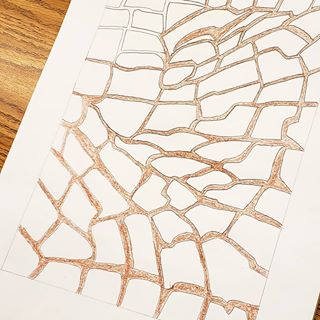
La línea
Una línea se forma a partir de una secuencia de puntos y ella puede crear dinamismo y tensión según se trace la misma. Se pueden distinguir dos tipos de línea, la geométrica que es uniforme y responde a ciertos parámetros y la línea plástica que se realiza con trazo libre y su variedad es realmente infinita, pues cada artista prácticamente “juega” con ella para expresarse, dependiendo de la obra que esté realizando y de su estilo personal.
- La línea posee intensidad, y ella depende de la presión que se realice sobre el instrumento con el que sea trazada.
- La línea tiene grosor y esto se relaciona con la intensidad con la que se haga el trazo. Mientras mayo sea la intensidad más gruesa será.
- La línea tiene uniformidad de acuerdo a la continuidad y aspecto continuo que se le dé.
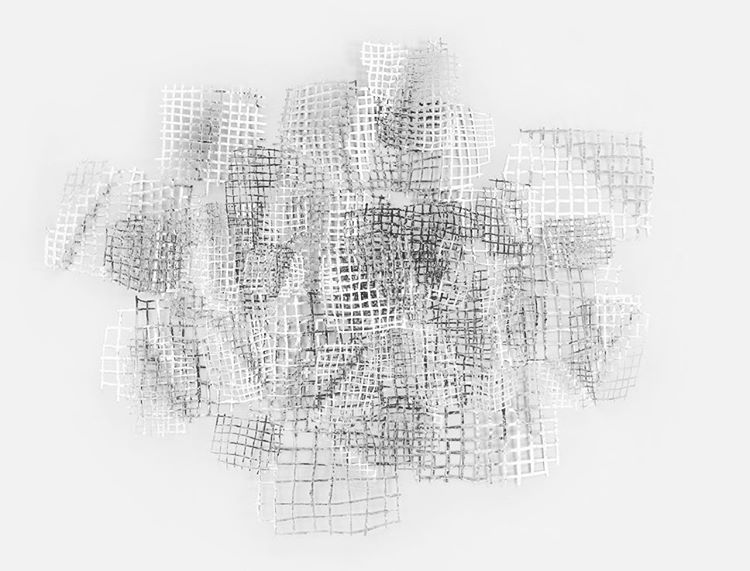
La textura
Este elemento se relaciona con la apariencia de la superficie, la cual es dada por los materiales empleados, por ejemplo si se emplean gruesas capas de óleo, seguramente al secar la pintura podremos observar que hay textura visual, y si tocamos la superficie podremos percibir la textura al tacto.
- La textura táctil puede se dura, rugosa, suave.
- La textura visual puede ser opaca, transparente, brillante, metálica.
- Puede ser natural que es la percibida en la naturaleza como el caparazón de una tortuga, el cuerpo de un erizo, un conejo.
- Puede ser artificial cuando es creada por la mano humana como por ejemplo una pared texturizada con yeso, el engranaje de un motor, la superficie de un bolso de plástico.
- La textura en una escultura se percibe de acuerdo a los materiales y técnicas empleadas, tales como: fría si es de bronce, cálida si es de piedra, fuerte si es de mármol, suave si es de tela.
El color
La luz es la que nos hace ver los colores, es un fenómeno físico. Porque existe la luz apreciamos todo lo que nos rodea. Al apreciar color en cada elemento sea natural o artificial, lo apreciamos de una manera determinada, pues los colores a su vez contienen una carga simbólica especial.
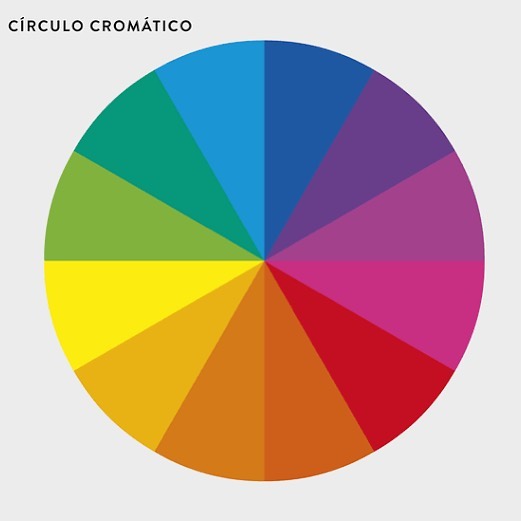
- El color se clasifica en colores primarios: amarillo, magenta y cian.
- Colores secundarios: naranja, violeta y verde.
- Colores terciarios: amarillo verdoso, azul verdoso, azul violáceo, rojo violáceo, rojo anaranjado, amarillo anaranjado.
- Los colores podemos apreciarlos en una representación gráfica llamada Círculo Cromático.
El valor
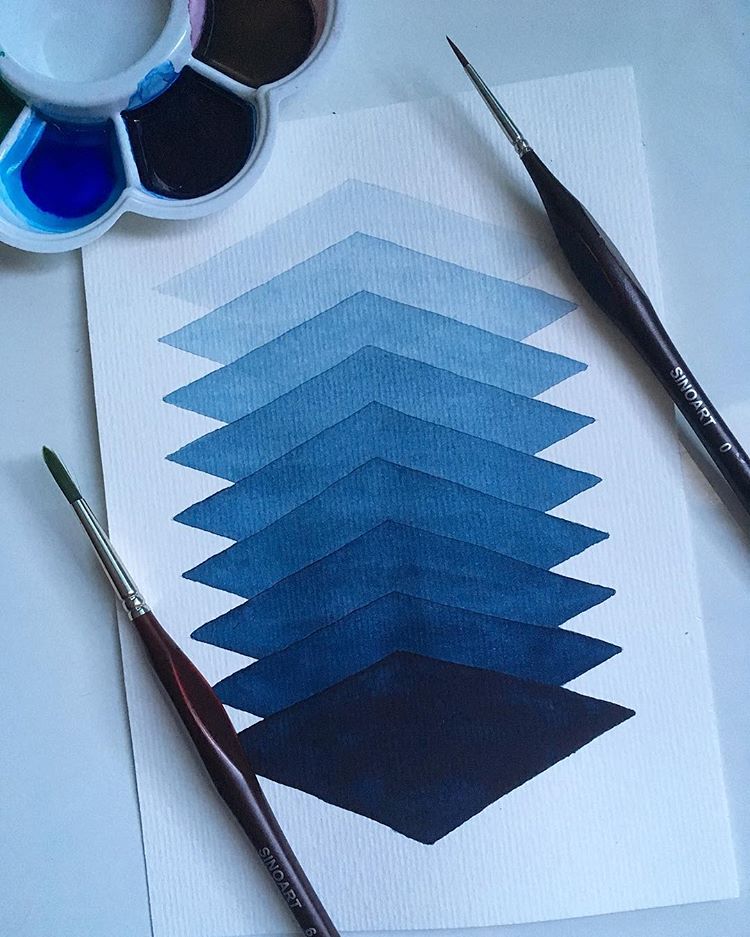
De acuerdo a la intensidad de la luz sea natural o artificial, así veremos las tonalidades, más claras o más oscuras.
- El valor se asocia con el color.
- La escala de valores es la degradación de un color hasta llegar a su claridad más extrema casi blanco.
- En la técnica del claroscuro se emplea el valor para lograr profundidad y volumen.
El volumen
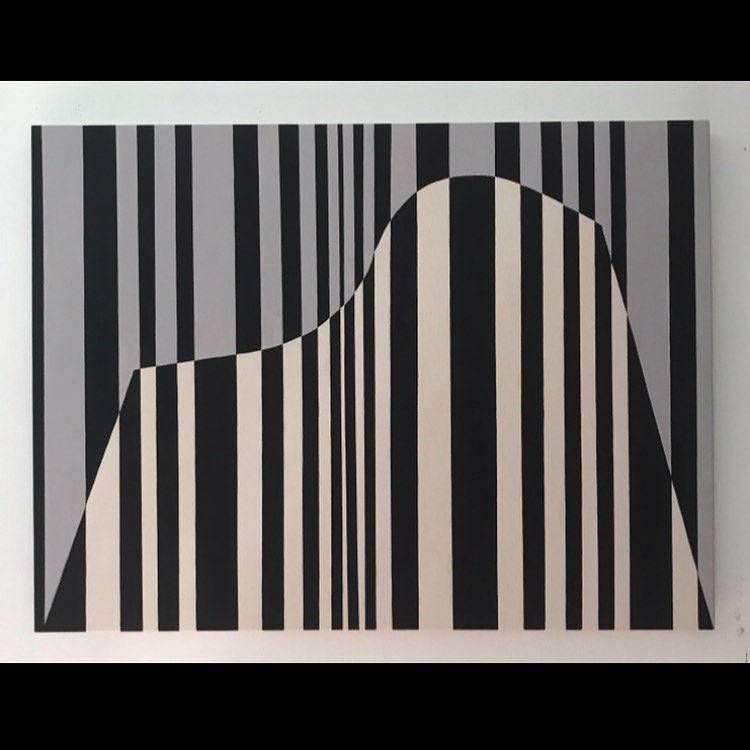
Todo cuerpo ocupa un espacio que presenta tres dimensiones: ancho, largo y profundidad.
- El artista busca en sus obras lograr el volumen. Para ello emplea técnicas con las que pueda lograr la tridimensionalidad, tales como: el claroscuro, la perspectiva y la superposición.
Toda obra para que se materialice, depende de estos elementos. Como te mencionamos al inicio del post, cada artista emplea unos determinados elementos, por ejemplo un escritor usa las palabras, frases, ideas y texto escrito. Un músico usa partituras, notas musicales, ritmos compases, una bailarina emplea movimiento, ritmo, equilibrio, fuerza.
El artista plástico usa los elementos que te hemos mencionado en obras pictóricas, escultóricas y arquitectónicas y puedes apreciarlos perfectamente, en una obra pictórica de Vincent van Gogh, un monumento arquitectónico como la catedral de Rouen o una escultura como el David.
Genial!
Definitivamente me falla la técnica. Os sigo para crecer.
Definitivamente me falta técnica. Os sigo para crecer.
Definitivamente, me falta técnica. Os sigo para crecer.
Muy interesante.
me en canto esta pagina para los creadores mucha suerte y sigan asi
ta chido. me gusta el pan